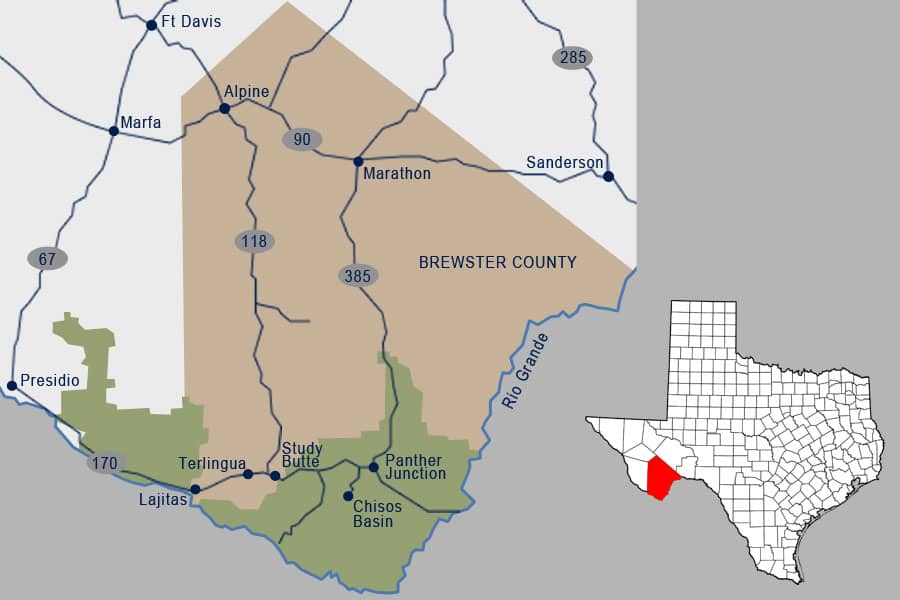
Routes, Drive Times & Road Tips to Big BendBig Bend sits deep in far West Texas. Whether you’re coming from El Paso, Midland/Odessa, San Antonio, Austin, Houston, or Dallas/Fort Worth, choose the route that matches your arrival town and the part of the park you want...
Why the Big Bend Region Is a Motorcycle Rider’s Paradise
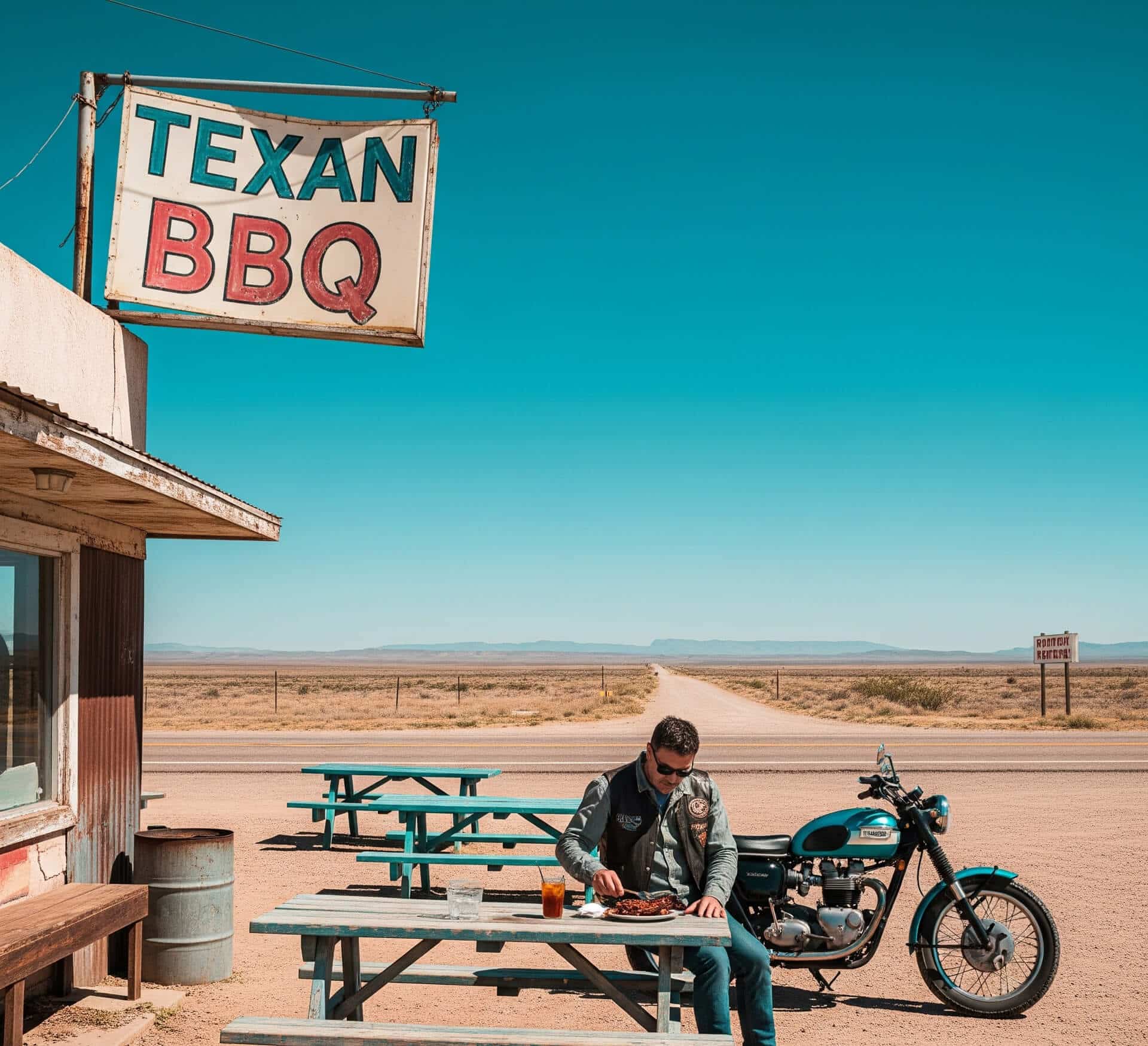
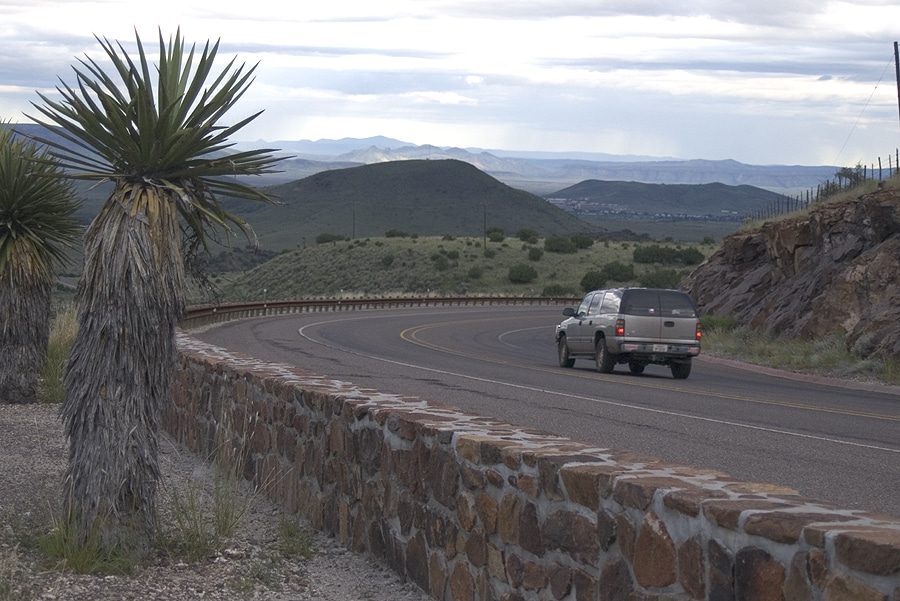
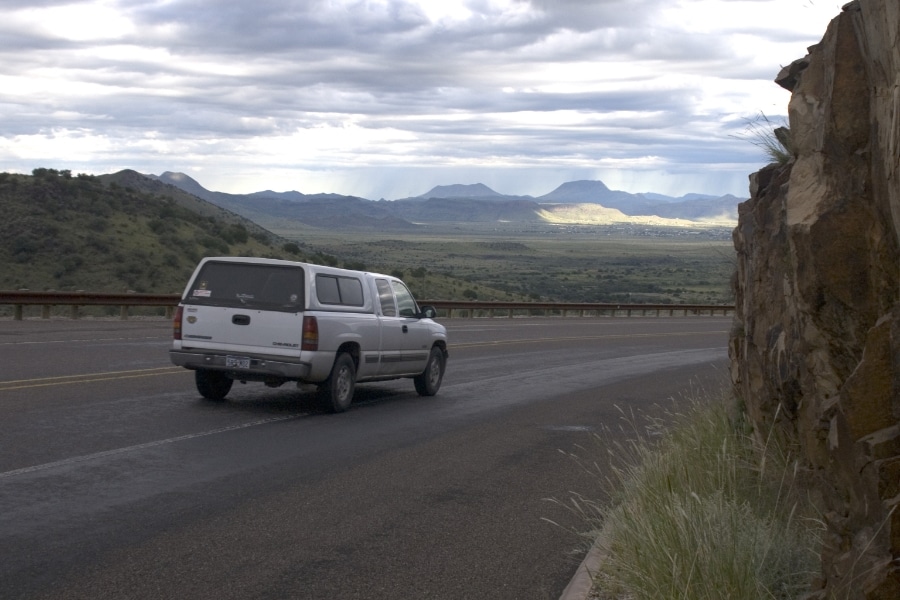
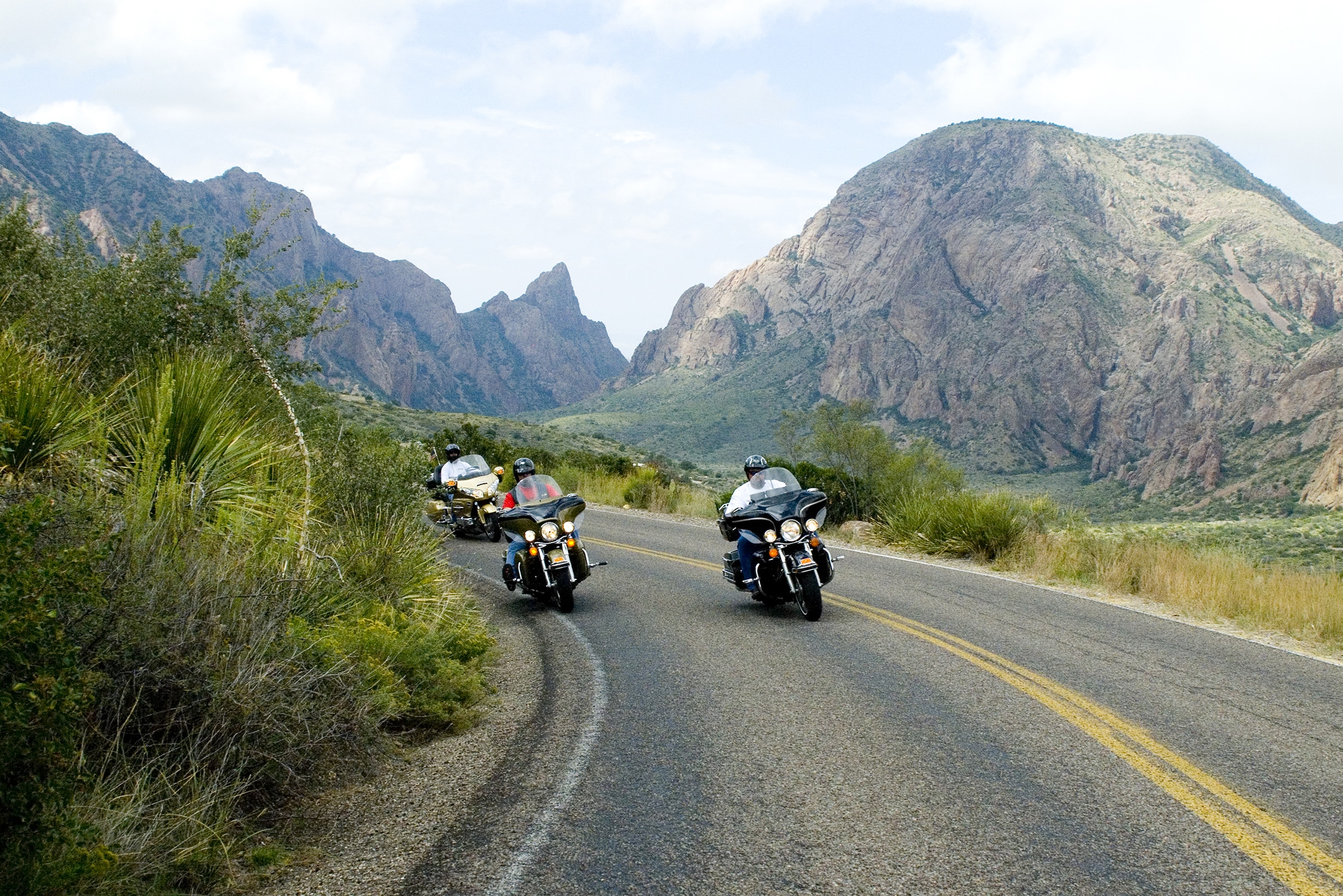
The Big Bend boasts hundreds of miles of scenic paved roads winding through mountains and desert vistas. Light traffic, favorable weather most of the year, and a welcoming biker culture make it an ideal destination for riders of all experience levels.
Industry Recognition
Ride Texas Magazine’s annual Readers Poll regularly names Big Bend routes among Texas’s top roads. See why riders can’t get enough of this region: Ride Texas Magazine
Top Scenic Motorcycle Routes
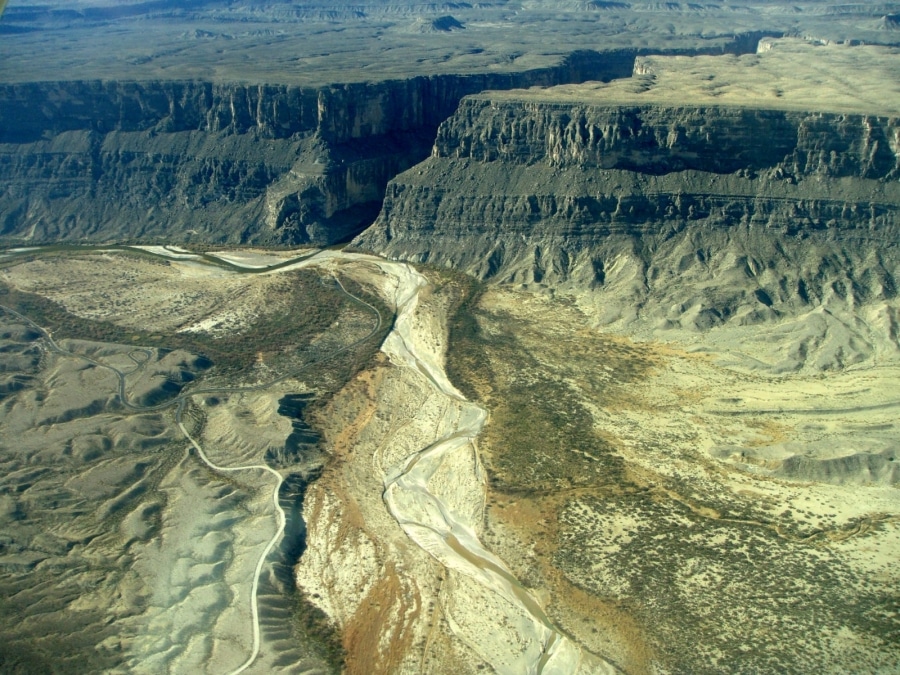
- FM 170, the River Road follows the Rio Grande through Big Bend Ranch State Park. Do not confuse it with the park's dirt River Road. Check road conditions the day you ride.
- Celesta Highway (US-385 & TX-118): Connects Marathon to Terlingua through rolling prairies and the Davis Mountains for about 80 miles.
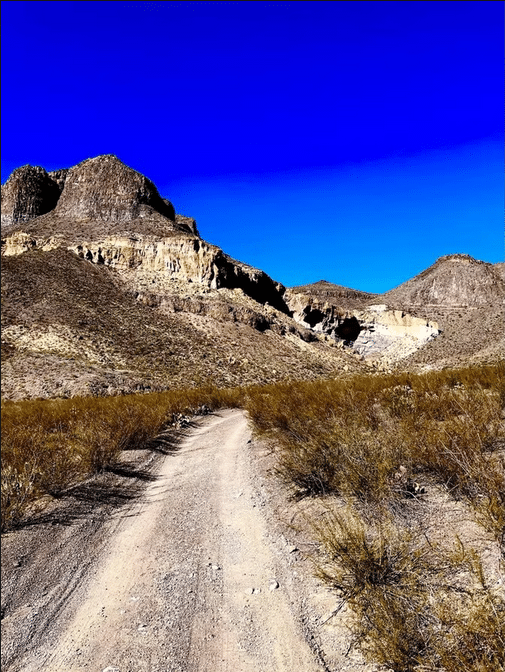
- Old Maverick Road is a primitive dirt road. Primitive dirt roads need high clearance and true four-wheel drive. Check road conditions the day you ride.
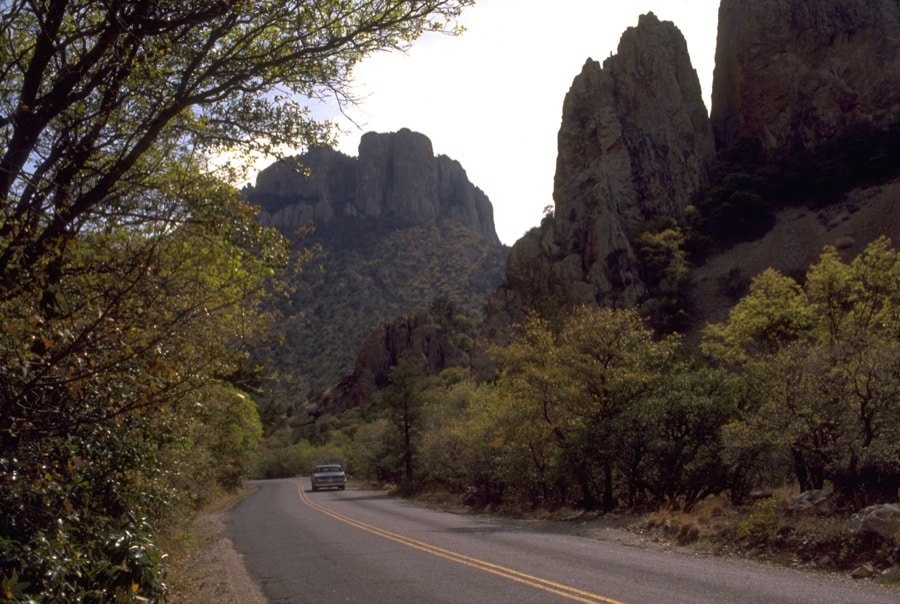
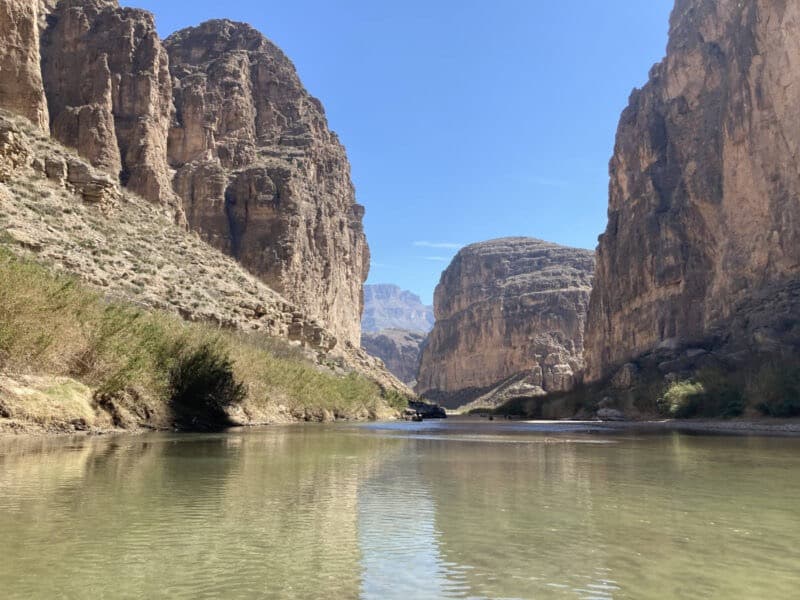
- Ross Maxwell Scenic Drive is 30 miles of overlooks toward Santa Elena Canyon. The Chisos Basin Road climbs more than 2,000 feet on sharp curves.
Best Time to Ride
March–May and September–November offer mild temperatures and clear skies. Summers can exceed 100 °F (38 °C), so plan early rides and carry extra water. Winter mornings may dip below freezing, so pack layers.
Packing & Safety Tips
- Hydration & Snacks: Carry at least 1 gallon of water per rider and high-energy snacks.
- Protective Gear: A full-face helmet, riding jacket with ventilation, and over-boots shield you from sun and gravel.
- Emergency Kit: Include basic tools, tire repair kit, first-aid supplies, and a paper map (GPS may lose signal).
- Rest & Breaks: Stop every 50–60 miles to refuel, rest, and capture photos.
- Wildlife Awareness: Watch for deer, javelina, and livestock near road edges, especially at dawn or dusk.
Where to Stay & Fuel Up
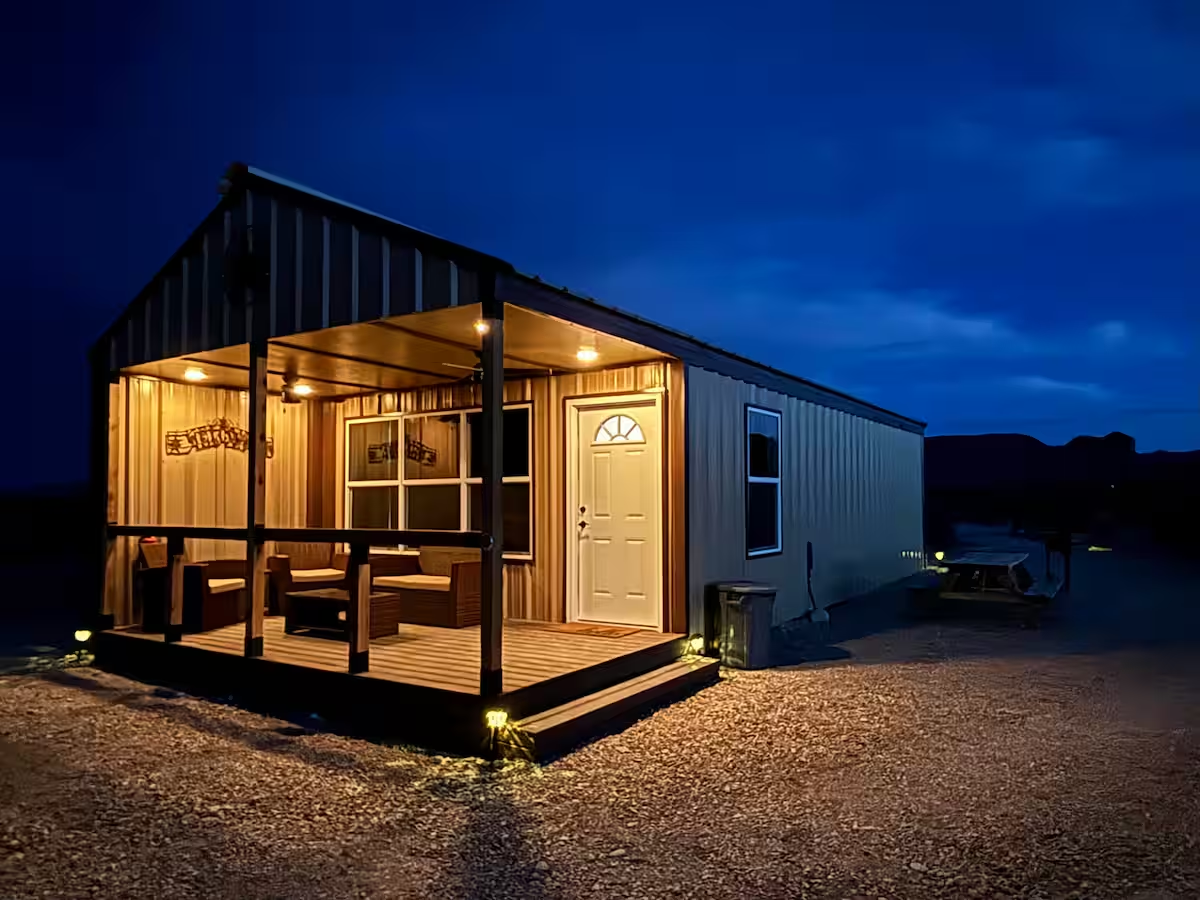
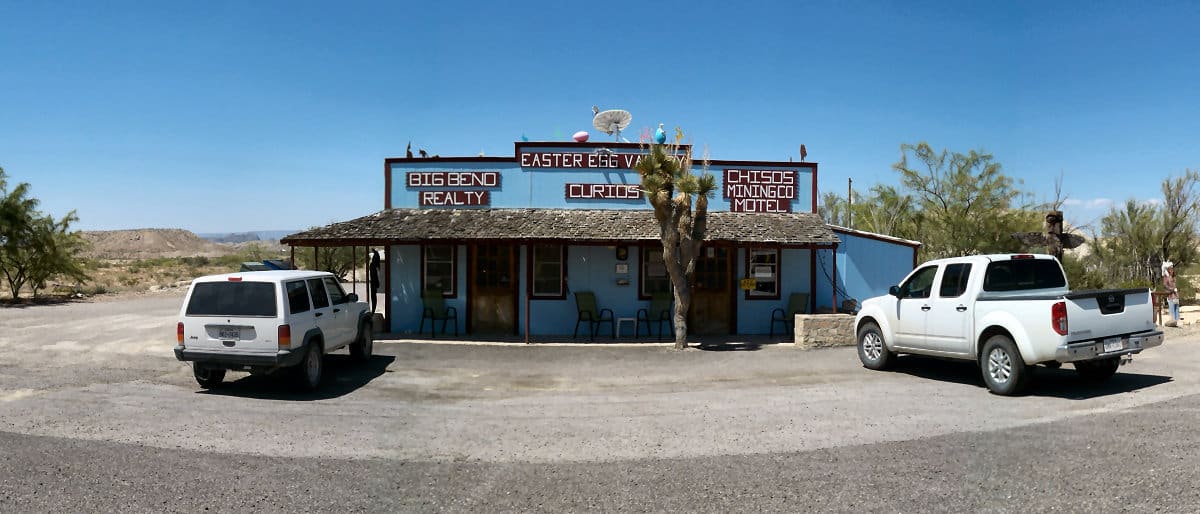
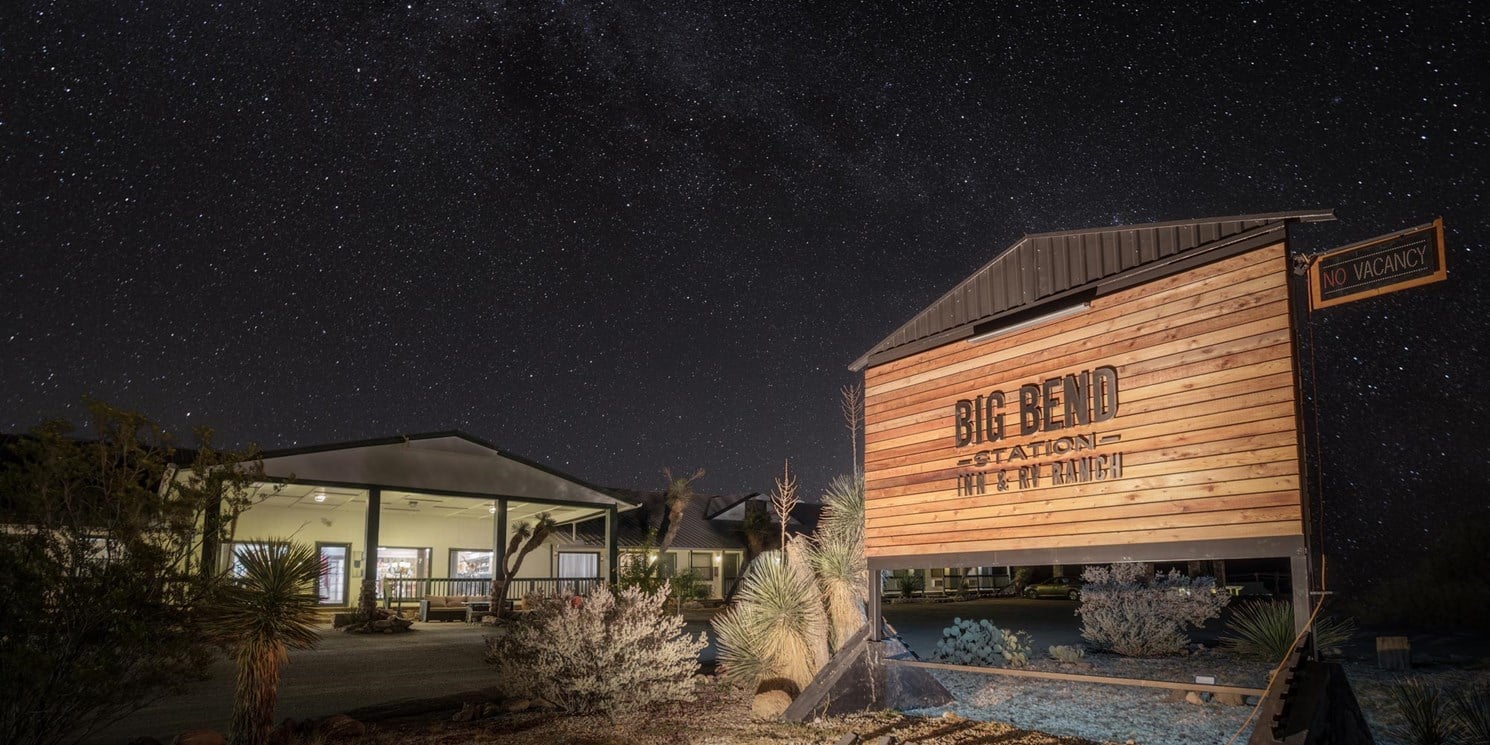
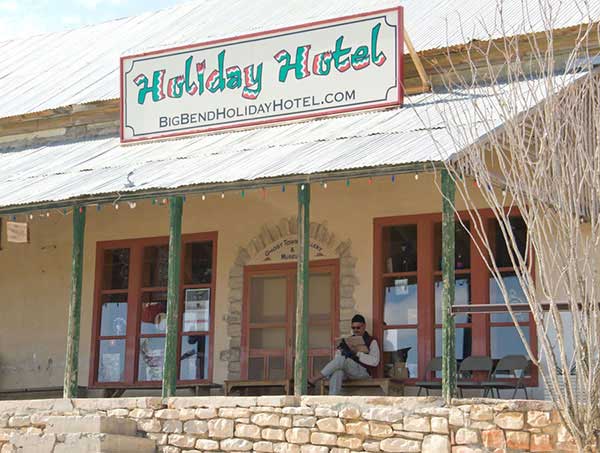
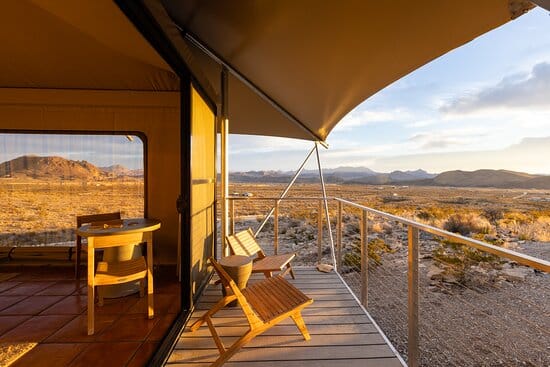
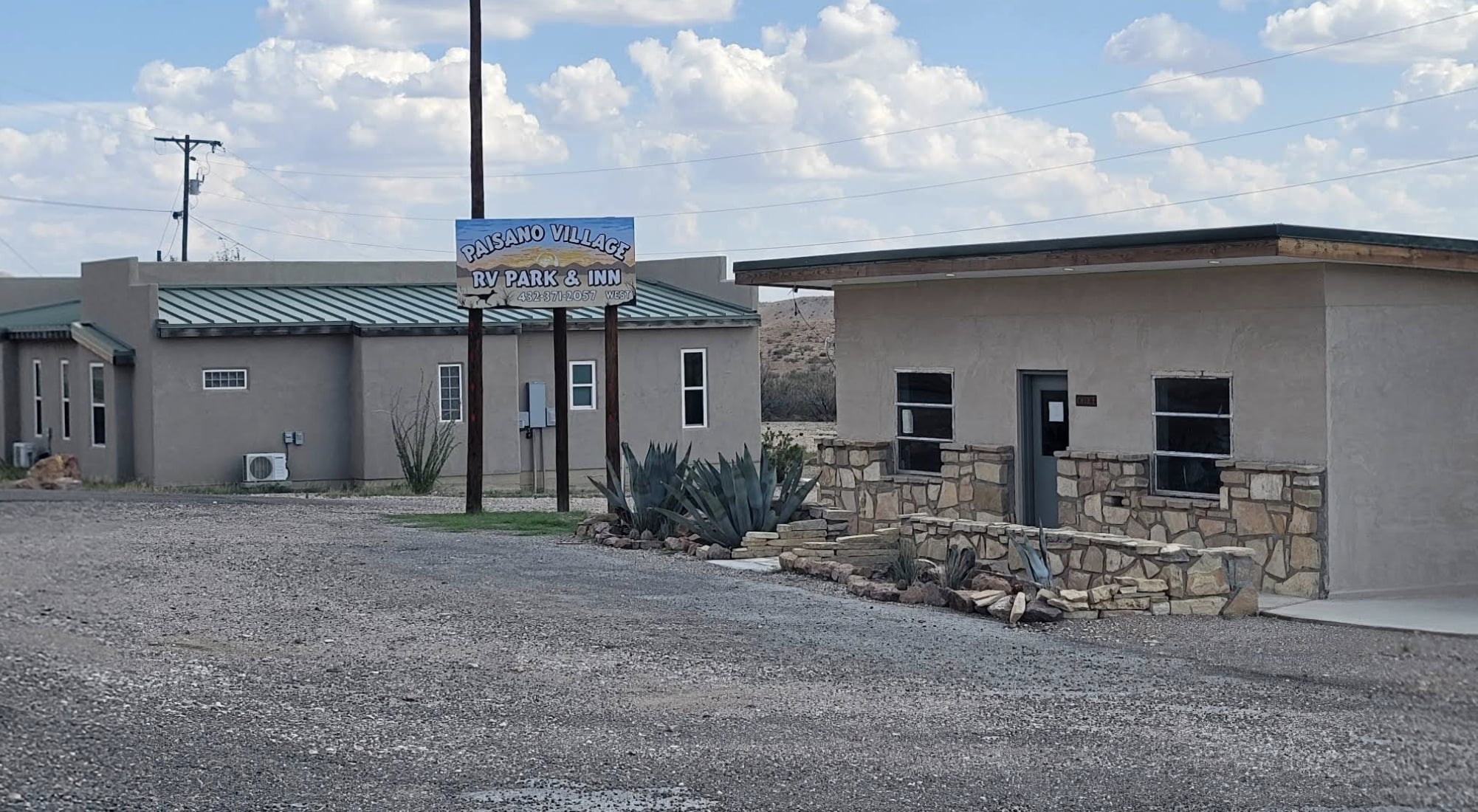
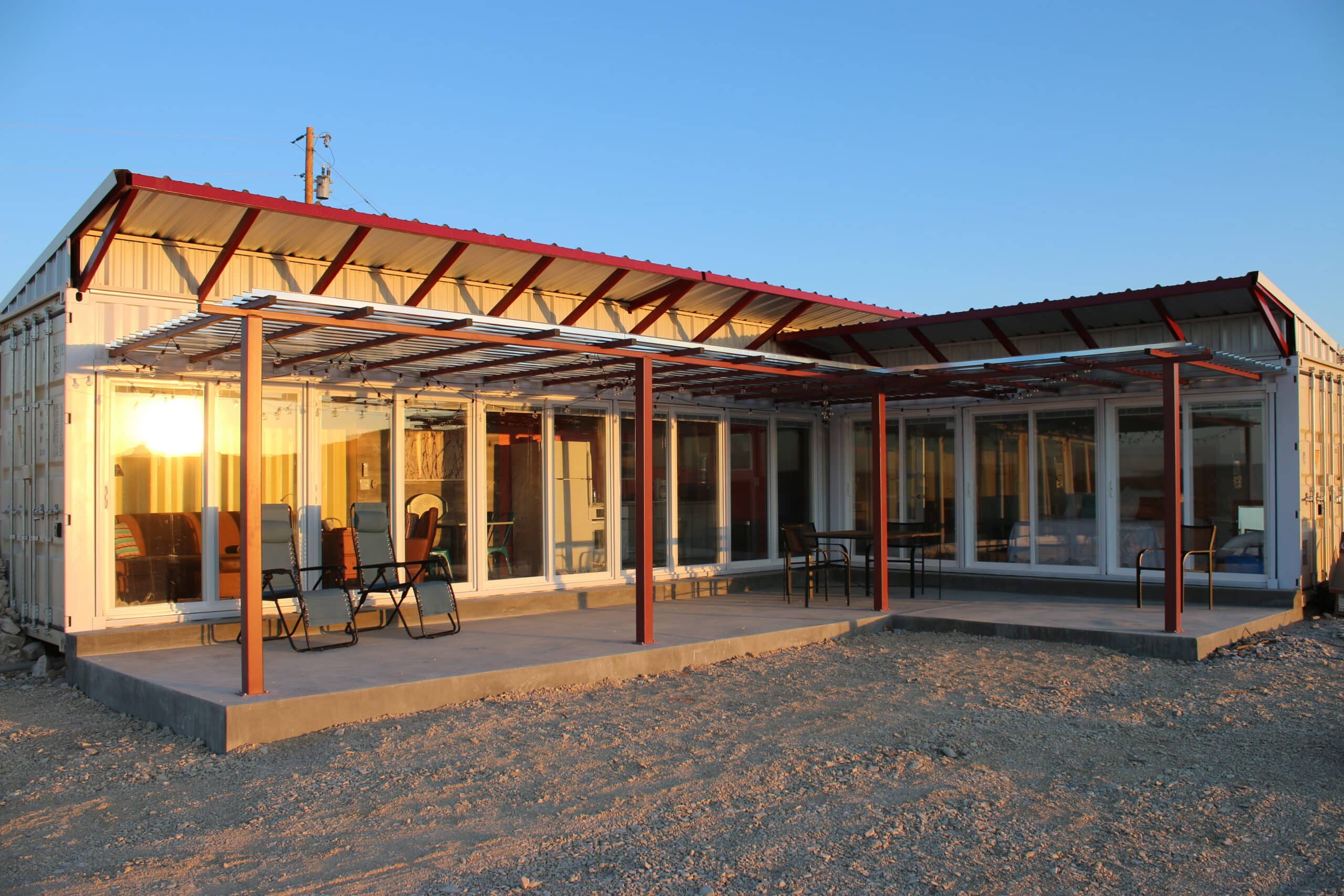
- Study Butte & Terlingua: Moto-friendly motels, lodges, casitas and campsites within 15 miles of the park entrance.
- Lajitas: Upscale lodging, a full-service gas station, and a bike wash.
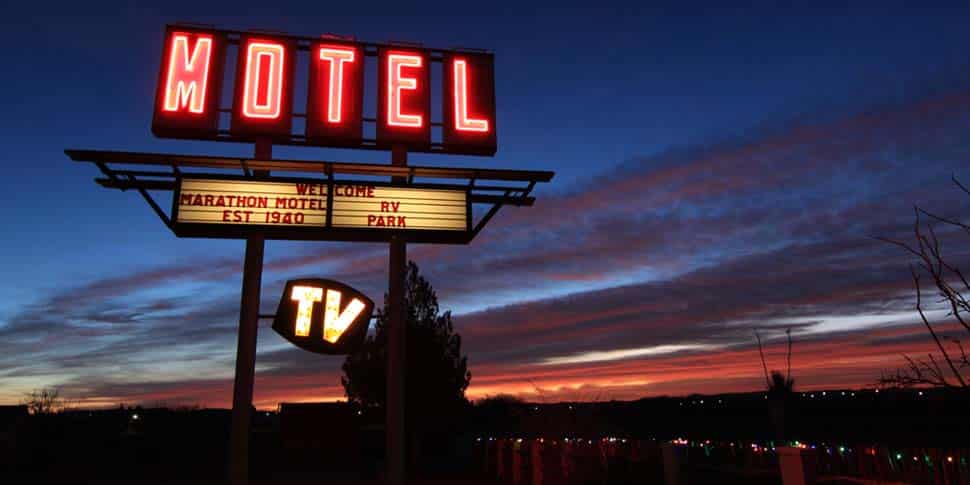
- Marathon: 25 miles north, offers larger motels, restaurants, and a well-stocked fuel stop.
Local Motorcycle Services
- Big Bend Automotive: Repairs and custom bike gear in Alpine.
- Big Bend Jeep Rentals: Spare parts, air pump, and route advice (Call 432-294-5796).
Frequently Asked Questions
FAQs
What is the best time of year to ride a motorcycle in Big Bend?
The ideal seasons are spring (March–May) and fall (September–November) when daytime temperatures average 70–85°F (21–29°C) and skies are clear. Summers can exceed 100°F (38°C), and winter mornings may drop below freezing.
Are the Big Bend scenic motorcycle routes suitable for beginner riders?
Check road conditions the day you ride. Ross Maxwell Scenic Drive is paved. Old Maverick Road is a primitive dirt road, and those roads need high clearance and true four-wheel drive.
What should riders know about River Road (FM 170)?
FM 170, the River Road, follows the Rio Grande through Big Bend Ranch State Park. Check road conditions the day you ride. Do not confuse FM 170 with the park's dirt River Road.
Is cell phone service available along the scenic routes in Big Bend?
Coverage is spotty in remote areas. You’ll find service near towns like Alpine or Marathon, but deep in the park and along River Road you may lose signal. Carry paper maps, fully charge devices, and use a portable charger.
What essential items should every rider pack for a Big Bend motorcycle trip?
Bring at least 1 gallon of water per rider, high-energy snacks, a basic tool and tire-repair kit, a first-aid kit, full-face helmet, riding jacket with ventilation, extra layers, sunscreen, and a paper map. Always top off fuel whenever possible.